
SATELLITE TRACKING
Weather satellites orbiting roughly 800km overhead broadcast live images as they pass. AwareStation's ORBIT receiver predicts every pass and automatically captures the signal during good ones.
● ONLINE
IDLE 10 recent captures
Last recorded pass:
Meteor-M2-4 · 03:33 05 Oct UTC · 87.2° max elevation · raw file saved
Next satellite pass — ORBIT receiver
Meteor-M2-4
Rise time: 04:33 UK
Max elevation: 87.2°
Time until pass: 0 minutes
EXCELLENT PASS
Max elevation: 87.2°
Time until pass: 0 minutes
Recent captures
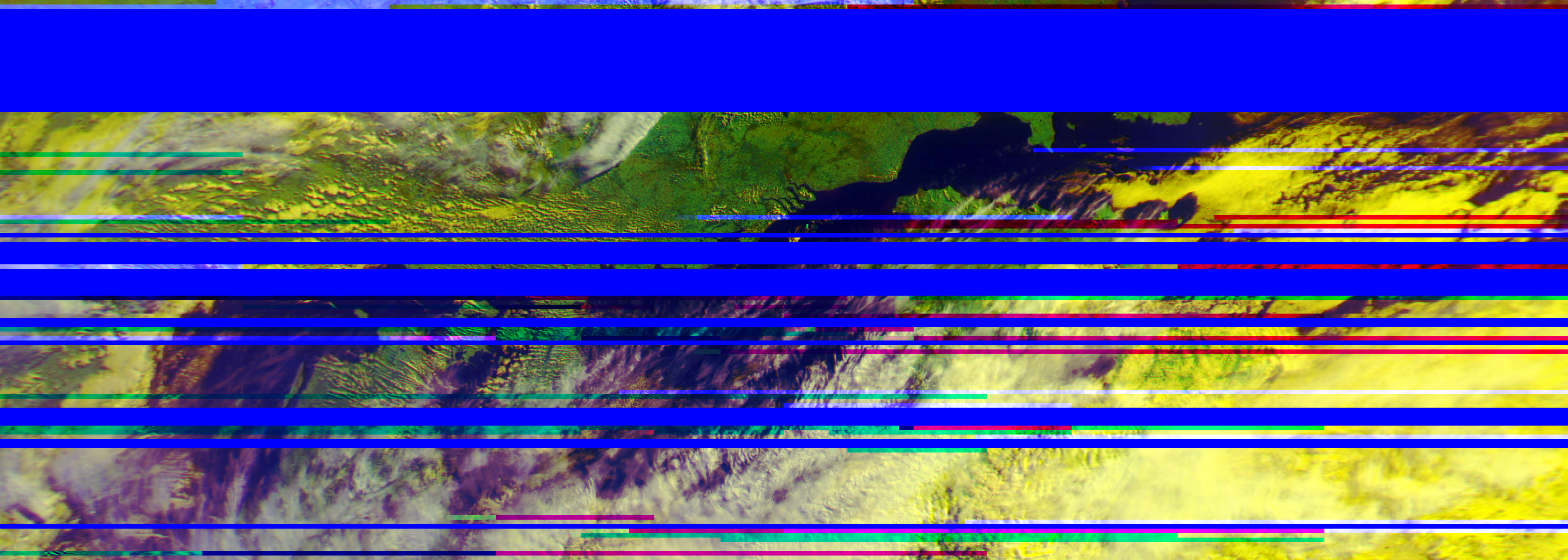

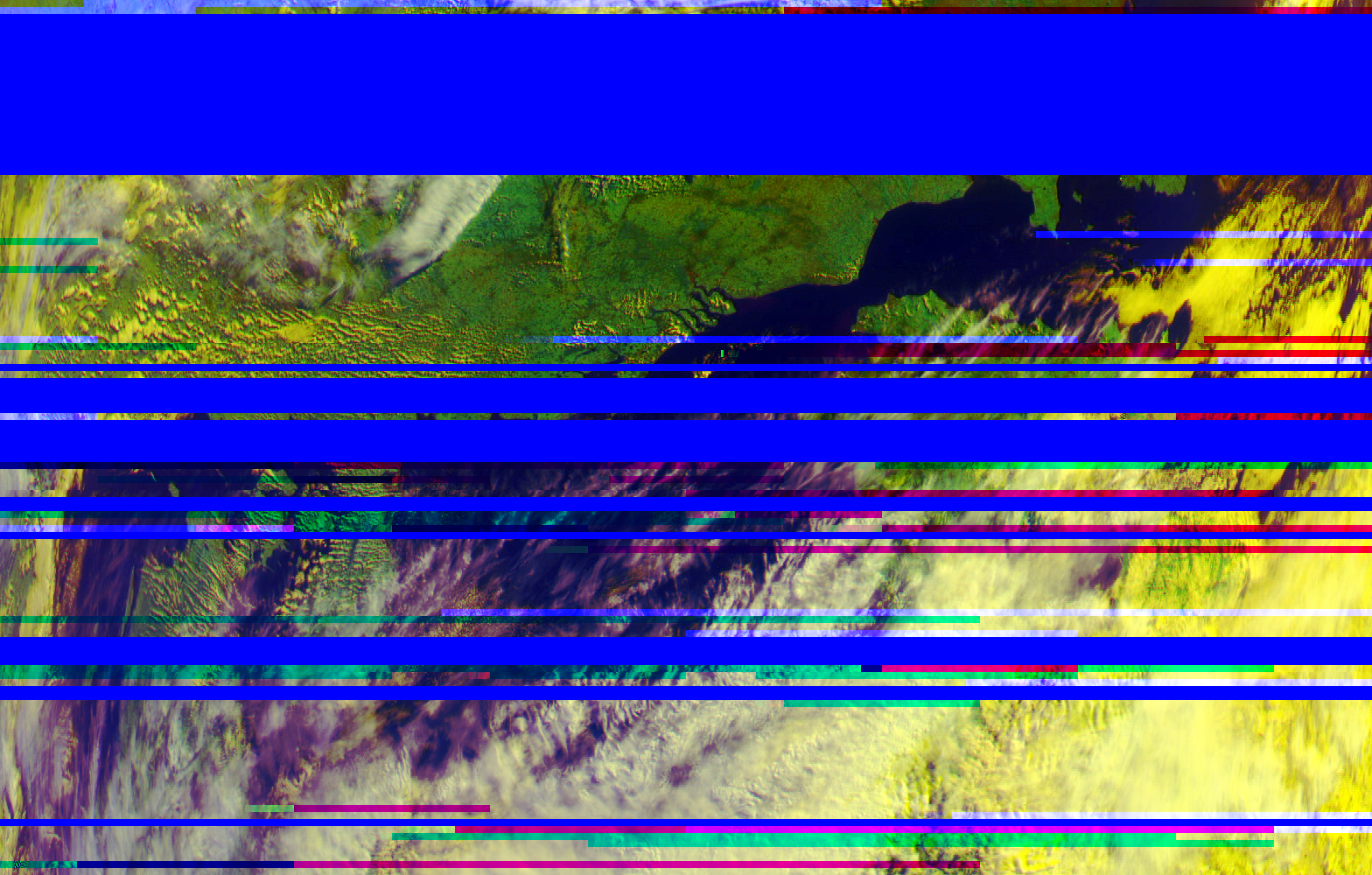
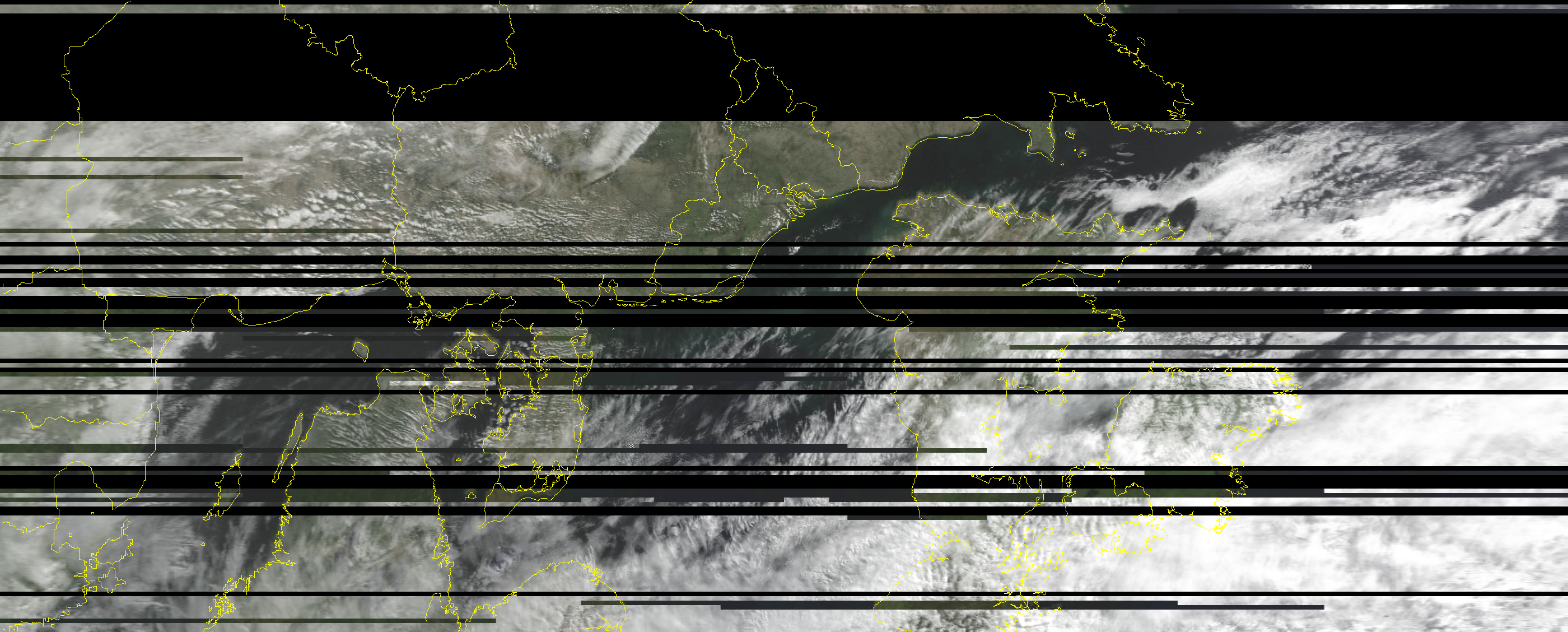
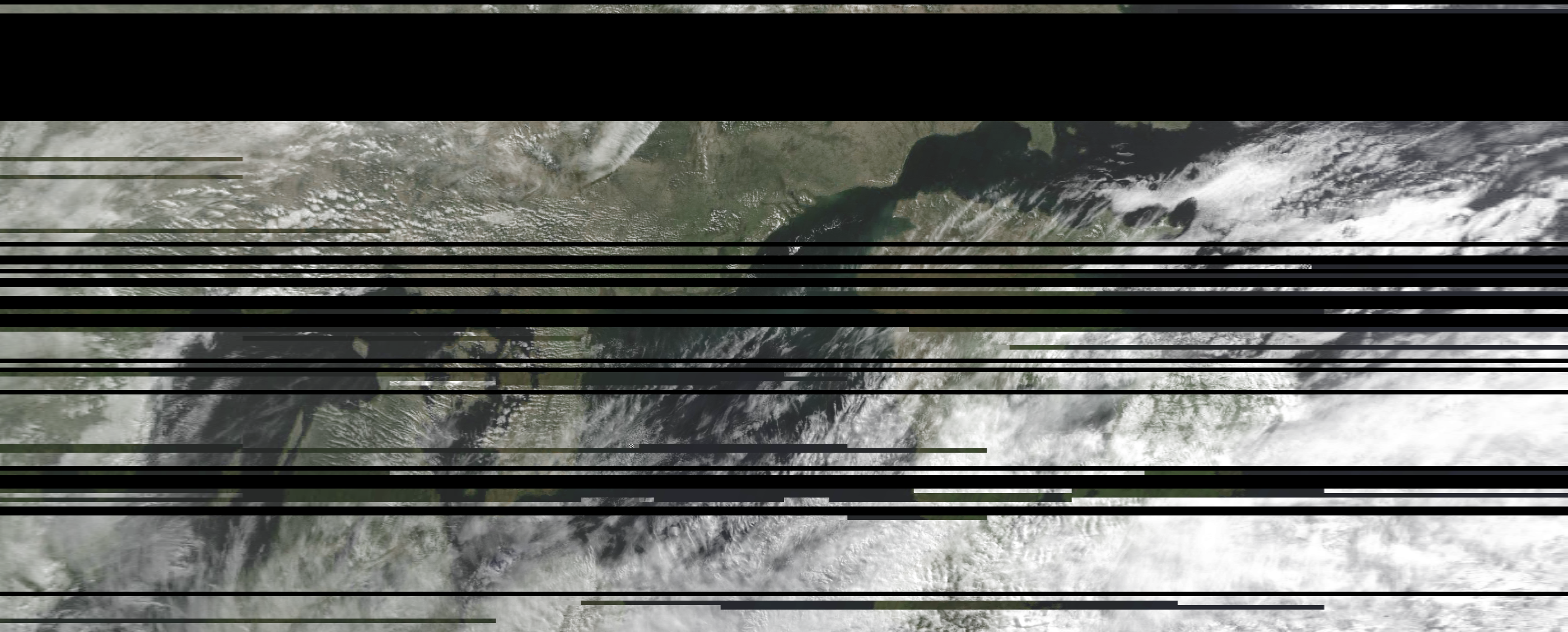
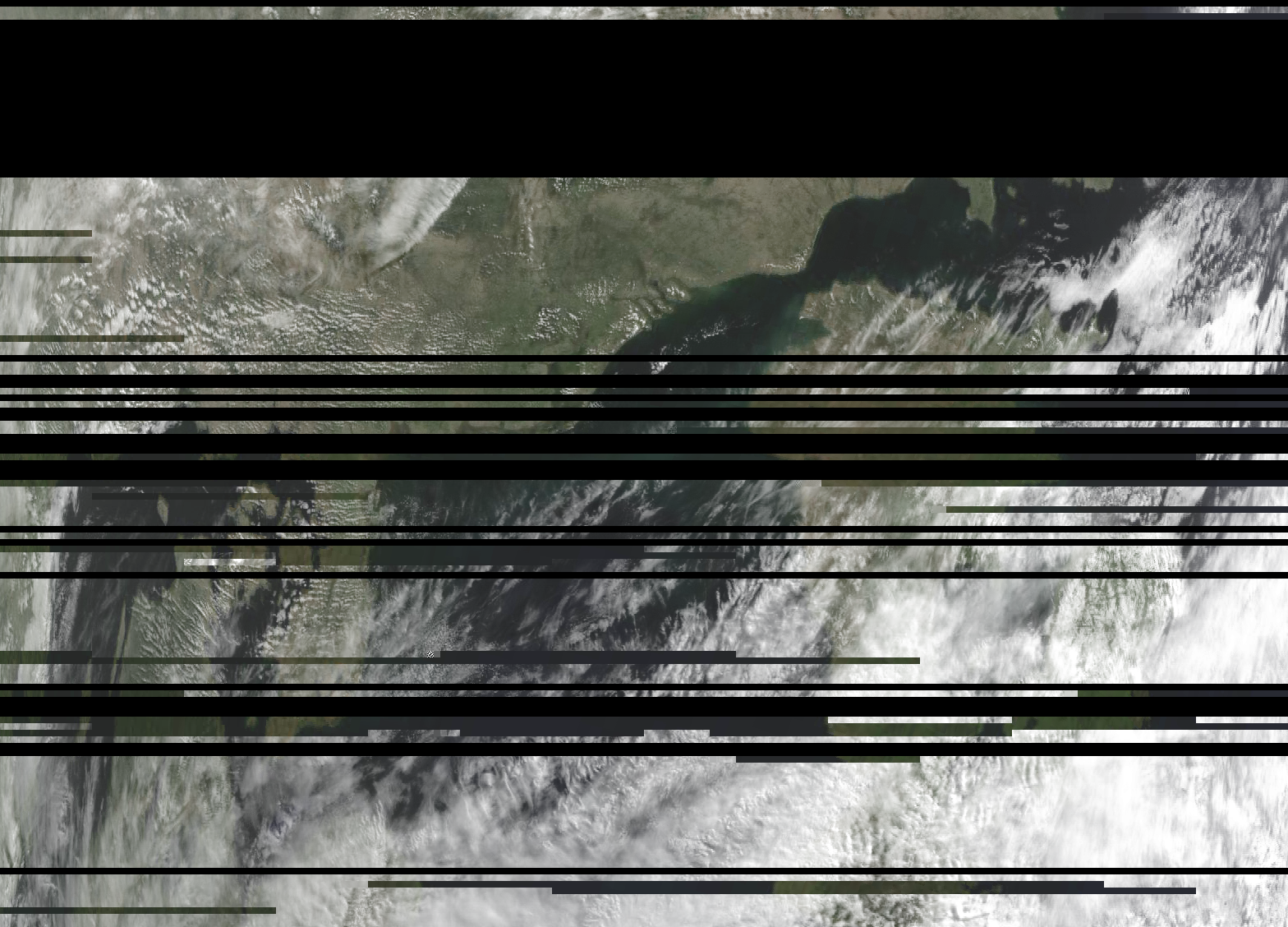
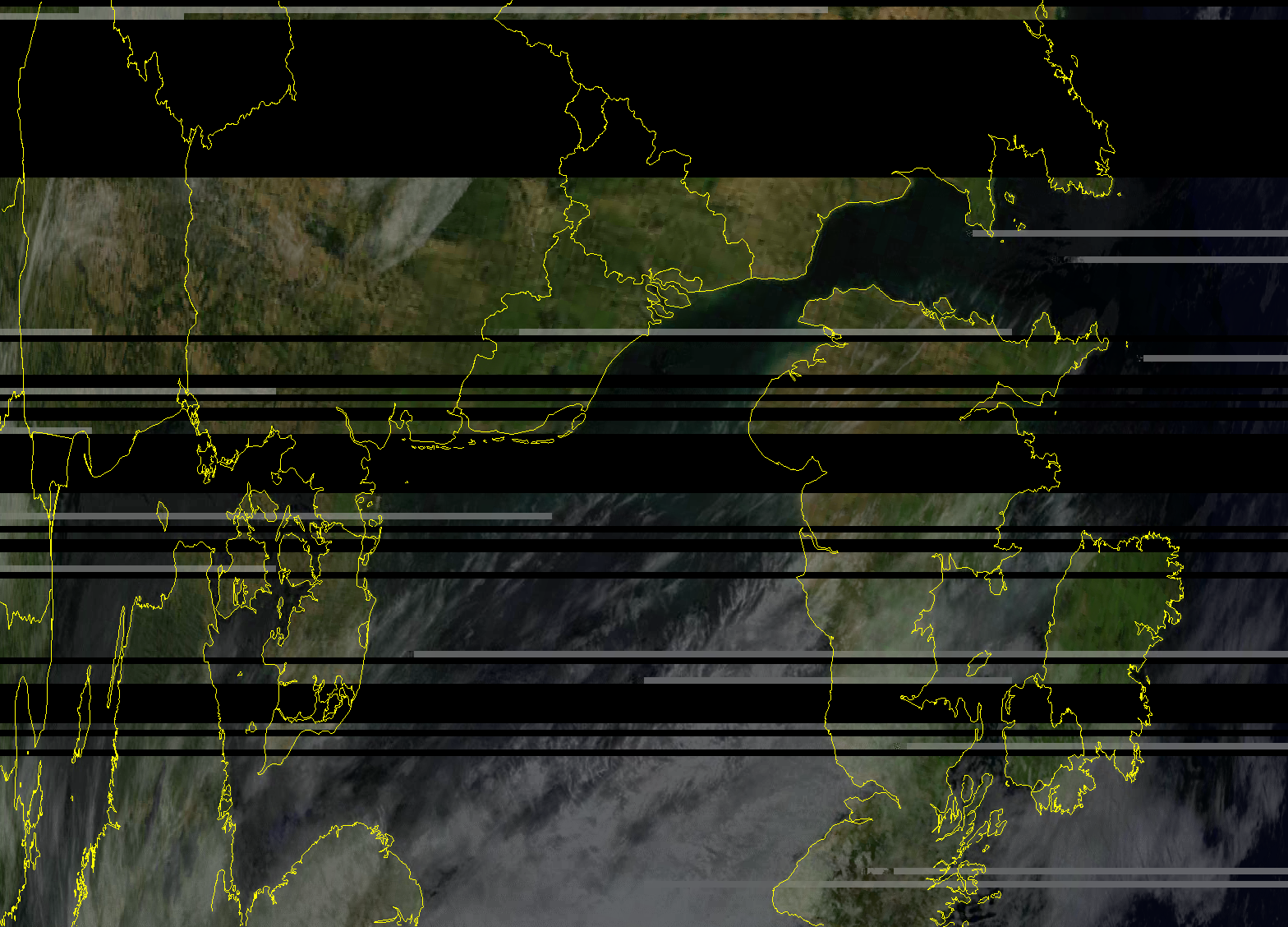
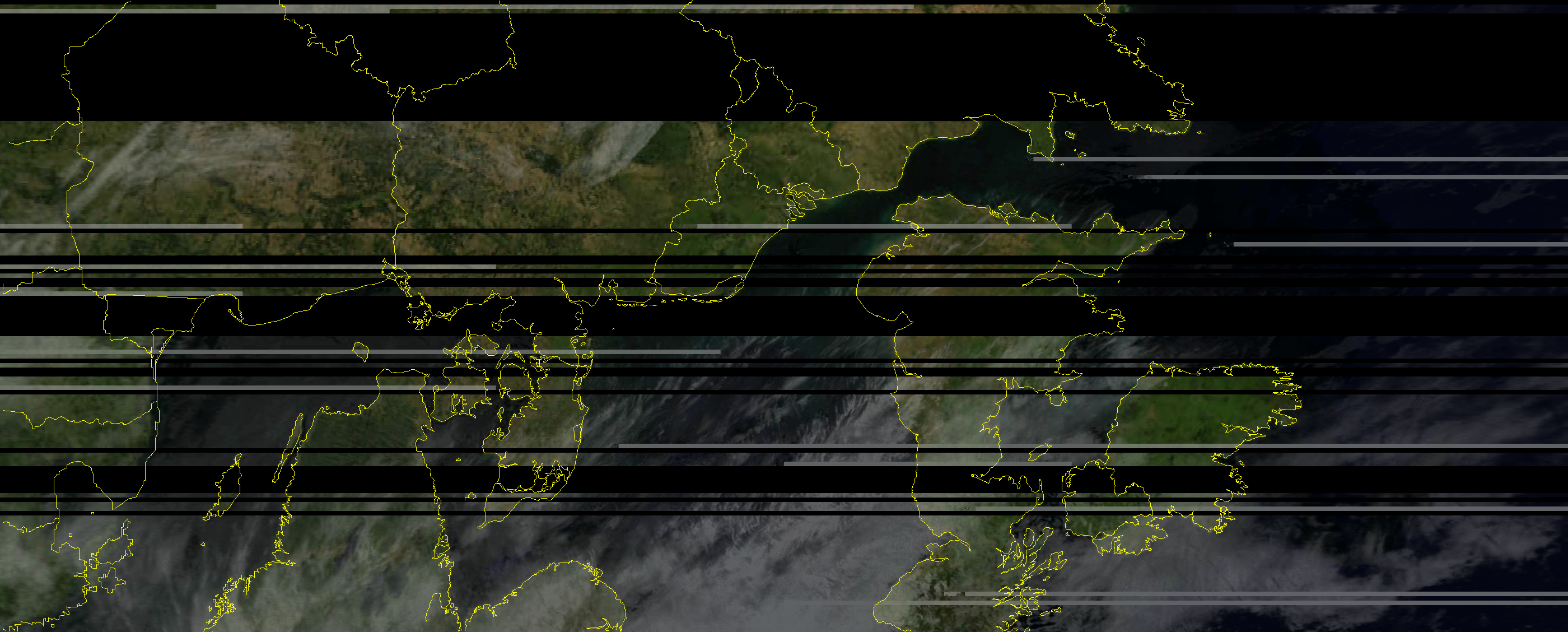


How satellite tracking works
Meteor-M2-4 and NOAA weather satellites broadcast images constantly on 137 MHz as they orbit. The ORBIT receiver calculates exactly when each satellite passes overhead, records the signal automatically, then decodes it using SatDump into a weather image. The higher the pass, the stronger the signal and the better the image.
🛰️
Polar orbit
These satellites circle Earth pole-to-pole roughly every 100 minutes, so a new pass comes around several times a day.
📐
Elevation matters
A pass directly overhead (high elevation) gives a much stronger, clearer signal than one low on the horizon.
📡
SAWbird+ LNA
A dedicated low-noise amplifier tuned to 137 MHz boosts the weak satellite signal before it reaches the ORBIT SDR dongle.
🖼️
SatDump decode
The raw IQ recording is automatically decoded by SatDump software into a visual weather image.